
Jan 9, 2026. Click here for English
2年前のこと。フラッツで水中のボーンフィッシュを追う時の見え方に違和感を覚えた時がありました。
偏光サングラスを着用していたにも拘らず、15Mに近づいた魚も何度か見逃し、30M先にテーリングしているボーンフィッシュの水上に出ている尾ビレがどっちを向いているのかさえちゃんと把握しきれなかった一日でした。
今思うにフラッツでの強い紫外線光に何日間もさらされ続けたことで、目の角膜に炎症が起きる軽度の雪盲状態だったようです。かけていたサングラスの偏光度は99%だったのだけど、おそらく可視光線透過率が高い(太陽光を多く取り入れる) レンズを何日間もかけっぱなしにしていたのがその原因だったように思われます。
ボーンフィッシュ、パーミット、クロダイでもフラッツの釣りをやったことのある方ならお分かりだと思いますが、フラッツでの最高にエキサイティングな場面の一つに、テイリングしている魚を狙う時があリます。
ターゲットフィッシュがテイリング中の時は、テイルの真上を直接狙うとフライの落下音で一発で逃げられてしまうので、そのテイルの周囲の水底を注視しながら、いざその魚の次の移動方向がわかったら直ちにその通り道に先回りしてキャストすることが多いものです。
この時、水中を見透せる高性能ポラライズト(偏光)サングラスが絶対の味方になります。
川でのスイング手法を使ったスペイフィッシングも同じ。経験を積んだアングラーは濁りの入った水色、あるいは水泡の中にいる魚でない限り、1.5M位のウォーターコラム(遊泳層)にいる魚ならキャストする前に苦もなく見つけることができます。スイングテクニックを使う場合、魚の現在位置を正確に把握しているかどうかが釣果を大きく左右するポイントになることは、経験者なら承知の事実。渓流でのニンフ、ウェットフライフィッシングも然りです。
自然の生の色を楽しみたいからサングラスはいらないと仰られる方の気持ちもよくわかるのですが、フライフィッシャーとしては、リスク回避と言う大事な側面を犠牲にすべきではありません。
サングラスは、風の中で空中を飛び交うフライが自分の目に当たる惨事を避ける意味があり、木の枝先や昆虫が目に飛び込むのを防止するガードになります。
また、サングラスは過度な太陽光に長時間露出することに伴う角膜炎症、白内障、黄斑変性と言った目の疾患の進行を遅らせる役割を担い、目の疲れも軽減します。眼球白濁する白内障は、白髪と同じで病気ではありませんがほぼ全員にやってくる事です。
残念ながら各サングラスメーカーはアパレル業界と同じイメージ重視のキャッチコピーが主体で、基本的にスペックの詳細、本質をベンチマークで説明しているものは皆無で、あっても余り参考にならないと言っていいでしょう。
でも、我々フライフィッシャーにとってサングラスはファッションアイテムの域を越えて、フライロッド、フライライン、フライリールと並んで同等に重要な位置を占めるギアです。
幸運なことに、私の妻は眼科医で、私のフライフィッシングに対してすばらしき理解者です。これまで彼女から学んできたフライフィッシャーに必要な眼鏡の知識を交えて、今回は、今まで余り語られることのなかったサングラスの本質を見極めるポイントを、私のニュートラルな目線で深掘りしていきたいと思います。
最初に、レンズ性能を決める要素を見ていきましょう
(1) 偏光(ポラライズド)レンズ:
まず、偏光レンズの仕組みを正しく理解しておきましょう。
偏光フィルターの原理はよくカーテンのブラインドにたとえられますが、実際には物理的な隙間によって光を遮っているわけではありません。太陽光のような自然光は、進行方向に対して垂直なあらゆる方向に、電場がランダムに振動している光です。しかし、水面のような水平な面で反射すると、特定の方向に振動する電場成分が強くなります。
この状態を「水平偏光」と呼びます。
偏光サングラスは、このような水面などで反射した水平偏光がもたらす振動の電場成分を選択的に熱エネルギーに変換して吸収し、効果的にカットするよう設計されています。その結果、反射光によるギラつきを除去し、水中のディテールをより鮮明に見ることができるようになります。太陽の位置によって「水平偏光」のインパクトは大きく変動しますが、太陽が高く、背にする時(順光時)は、水平偏光が最大化し、偏光効果が最大になります。
- 釣り場での実践的な視線の向け方、心得
釣りのシーンに当てはめると、偏光サングラスを通して水中の魚を見る時に「2m先」と「15m先」とでは水中の魚の見え方の程度は違ってきます。水面は鏡のように反射するため、近距離では反射角が大きく、遠くを見るほど入射角・反射角が浅くなります。太陽の位置によっても水中の見え方の程度は大きく変わるわけで、太陽の位置が高い時間は、偏光レンズの効果は上がり、朝夕など太陽の高度が低いときは、その効果は薄まります。
偏光レンズが最も反射光をカットするのは、理論上太陽光が水面に約53°(ブリュースター角と言う)でサングラスに入射する時ですが、これはキャスターの目の高さが約1.5mにあるとするとわずか1.1m先の水面。この数値だけ見るとフライフィッシャーには実用的な距離ではありません。とはいえ、偏光レンズは水面反射による水平偏光成分を常に軽減するため、距離や角度に応じて効果の強弱はあるものの、反射光を抑える働きは常に期待できます。 言い換えると、当たり前のことですが、視線の位置が高ければ高いほど、水中の魚を見つけ易い、ということになります。
偏光度100%のレンズは存在せず、偏光率が高い=高性能・高価格という相関もありません。
よって、フライフィッシャーが最初に選ぶべき1本は偏光度99%サングラスの一択と考えるべきでしょう。
コストに影響するのは、レンズ素材とコーティングの種類、染色方法、加工方法とその精度に基づく光学的歪みの少なさ、といった要素であり、これらを予算と用途のバランスで選ぶのが現実的です。
フラッツでのボーンフィッシングでは、通常20M位先の水底をクルーズしている魚を見つけようとします。
この時フライフィッシャーの基本は、水中をクルーズする魚を見つけようとする時に 「水面に視線を向けない」 こと。
魚を見つけるには、「視線を水底(魚が泳ぐ層)へ意識的に向けること」がポイントです。
ガイドには見えていている魚が自分には即座に見つけられない、と言う致命的な“失敗”は、この“視線の矛先”が水中でなく水面上にあることが原因である場合も多いです。これは、川での釣りでも言えます。
因みにメガネのレンズ面が空に向くように顔を傾け視線は下方の水中を見るようにするとか、偏光レンズを2枚重ねて水中を見る、といった小手先の操作は偏光機能を増幅すると言う点では全く意味がありません。
(2)可視光線透過率
可視光線透過率とは、「レンズを通った後の光の量 ÷ レンズに入る可視光量」で求められます。 これは、レンズがどれくらい光を全体的に通すか、を意味します。(可視光とは、人が認識する波長の光。波長としてはおよそ紫380nm~赤780nm。)
- 透過率が10%〜15%のレンズ:濃い色のレンズ。強烈な照り返しでも快適。海釣りやスキー向け。強い日差しや海用。 かなり暗いので、夜間用には不向きです。
- 透過率が20%〜35%のレンズ:中程度の濃さのレンズ。一般的なアウトドアスポーツにフィットします。40%に近いと晴れている日のフラッツでは多少眩しさを感じるレベル。透過率28〜35%が曇天、暗めの渓流などに最適です。
- 透過率が50%〜80%のレンズ:薄い色のレンズ。眩しさ軽減は期待できないが、その分、暗い状況で視界確保できます。40%を越えると偏光度99%は成立せず、偏光度90%以下だと、偏光レンズを持つ意味もなくなってきます。
(3) レンズカラー
レンズカラーは「どの波長の光をどれくらい通すか」に影響します。また、色のついたレンズを通った光は、ナマの色を変えてしまうので、色味の好みに左右される部分があります。私の場合は、アンバー系が好みですが、友人にはグレー系が好みの人もいます。色が濃い方が、晴天下でのコントラストはより高くなりますが、曇天の状況下で濃すぎる色を使うと逆効果となりえます。
着色方法には、染料系とヨード系の2種類。染料系は、ヨード系の2倍程度の寿命があるといわれています。また、ヨード系の最大の弱点は「紫外線で劣化する、水に弱い」であり、フライフィッシャーが使う偏光サングラスの用途で考えると染料系フィルターの一択と言えるでしょう。
一本のサングラスで1日を通すなら、99%の偏光度で、可視光線透過率30%前後、カラーはアンバー、グリーン、グレーがお勧めです。
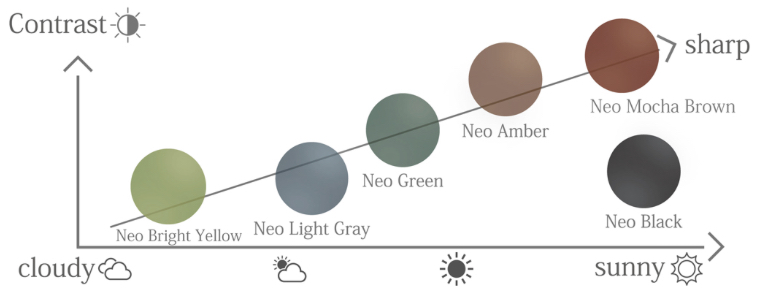
- グレー系:色味をあまり変えずに自然に見える。コントラスト強調効果は低め。
- ブラウン/アンバー系:コントラスト強調するので、水中の魚や地形が浮き上がる。
- ダークアンバー(濃い茶色):青色光を強めにカットするので、コントラストがはっきりする。 全体的に暗めになるが、くっきり感が出やすい。高コントラスト・強光線に強い。
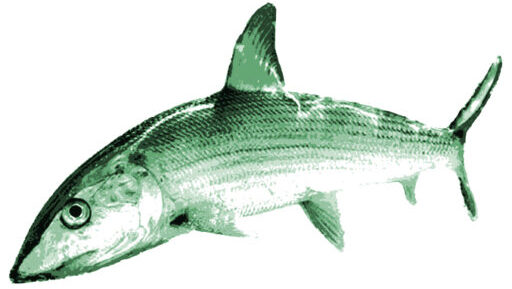
- グリーン系: 目の疲れを和らげつつ、明るさとコントラストのバランスを取る。暗い色ほど眩しさを抑え、コントラスト感も強調されやすい。目の疲れを抑えつつ、水面や水中が見やすい。ボーンフィッシュの背中の色はオリーブであるが、グリーン系のレンズを着用すると、ボーンフィッシュが浮き立つように見える効果もある。
- ライトイエロー、薄いライトスモーク、ライトブラウン系:フライフィッシャーにとってのプライムタイムでもあるイブニングライズ時、あるいは、曇天の暗い森の中でも、目の安全を確保するためにはグラスは常時着用することをお勧めします。では、暗い状況では何を選ぶべきでしょうか?クリアカラー(無色透明:可視光線透過率100%)の偏光レンズは理論的にも物理的にも存在せず、そもそもローライトの状況では偏光レンズを使う意味自体がなくなってきます。近視や遠視の方は、暗くなったら普段使いのメガネを着用するだけで事足りる、とも言えます。私のように暗くても常にサングラスを掛けていたい人は、かなり透明に近いライトイエロー、ライトスモーク、ライトブラウン系が、可視光線透過率が70%位とかなり高く設定できるのでオススメ。その代わり偏光率は犠牲になるが、そこまで暗い状況では偏光レンズを使う意味はそもそもありません。ライトイエロー系レンズは、晴れた日中使いには向きませんが、暗闇状態では気分的に明るく釣りが続けられるので私の場合、夕方の釣りではほとんど毎回出番があります。
- ミラー系:ブルー、グリーン、シルバー、オレンジのミラーカラーが一般的ですが、偏光フィルターが乱反射を抑えるのに加えて、ミラーレンズは光の特定の波長を反射することで眩しさをブーストして軽減できるので、光の強い海で使う一本として有用と言えます。一方で視界の色味が良くない、レンズの裏面反射がある等のマイナス面もあり得ますが、そのファッション性の高さには一目置くべきとも言えるでしょう。
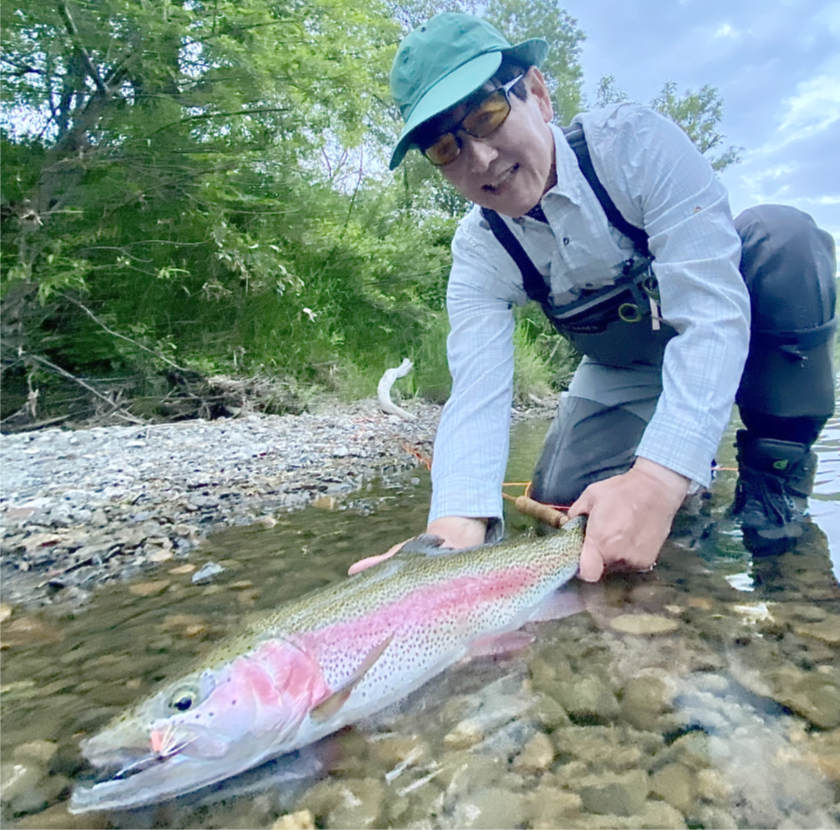
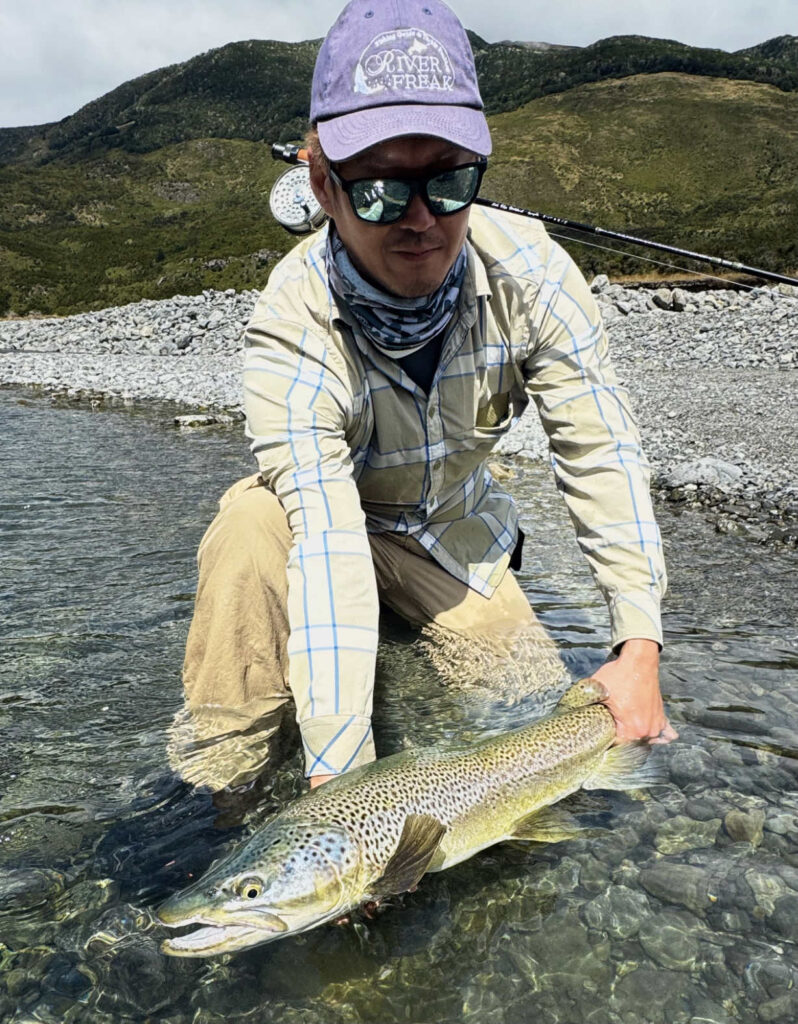
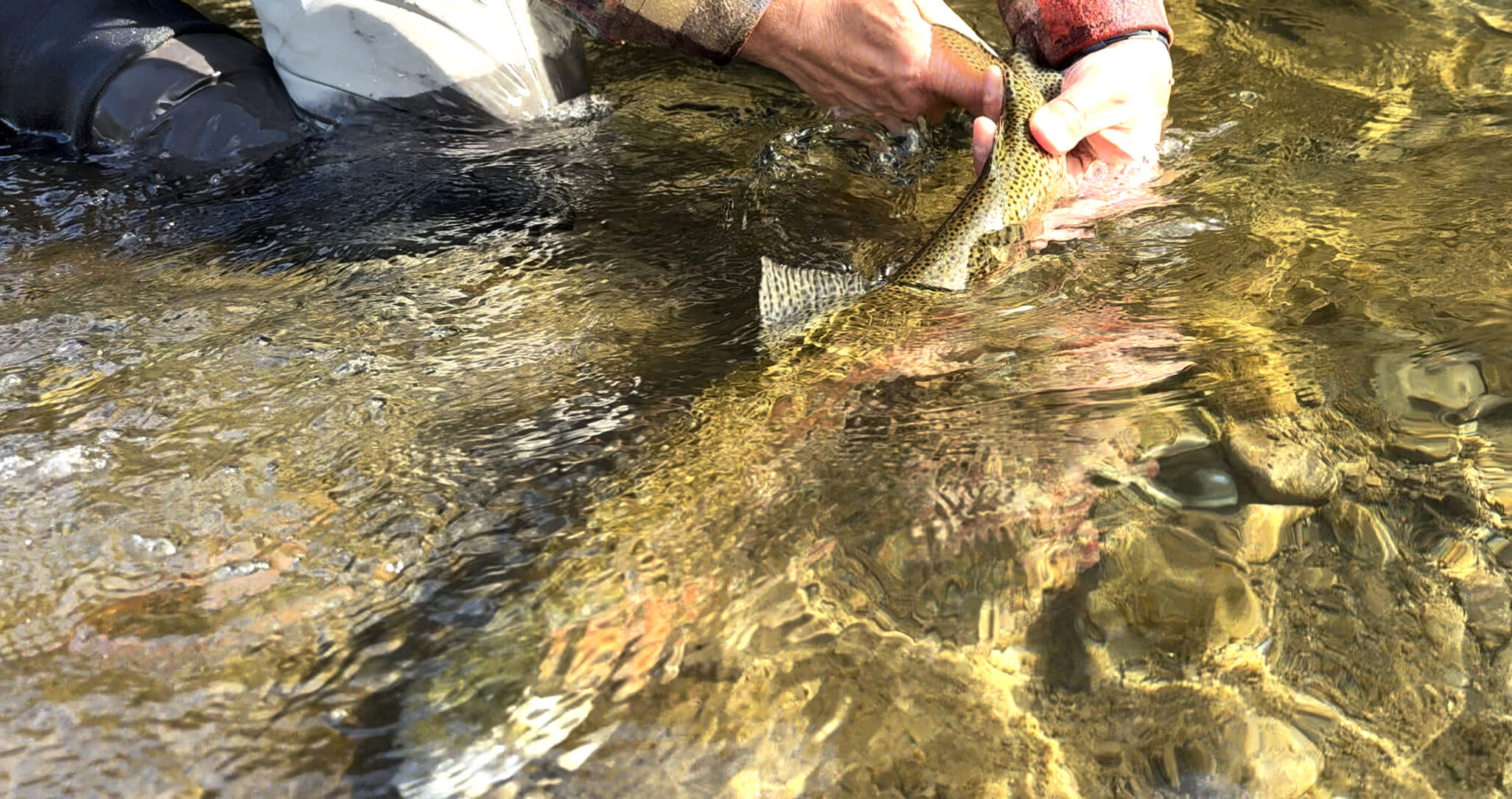
左:イエローレンズで快適に夕暮れのハッチを釣る。北海道。 右:ミラーグラスで快適なサイトフィッシング。ニュージーランド。
(4)使用素材と加工精度
レンズの素材は、プラスチックか、ガラスの二択ですが、プラスチックが一般的です。プラスチック素材はMRシリーズかCR-39になります。MRシリーズは1987年に日本の三井化学で開発された素材で、耐久性、加工性が良く薄くレンズを作り易い。一方で、コストは少し高くなり、色収差で若干劣ります。CR-39は第二次世界大戦中にアメリカで開発された素材で、コストが安く、色収差が少ない。一方で、耐久性は低く、加工性が低くレンズが厚くなる傾向があります。成形精度が悪いレンズだと、偏光膜がずれたりムラが出易いことで被写体の歪み(ディストーション)による性能低下に繋がります。多層コーティングと共に、ここが最もコスト差に表れる点ではあリます。
製法には、ワンブロック製法(偏光フィルムとレンズを一体化、安定した剥離強度を保つため、偏光フィルムとレンズを一体型にして加工する製法)と、貼り合わせ成型(偏光フィルムとレンズ素材を接着剤で貼り合わせる製法)があります。貼り合わせ成型は製造コスト面での優位性があるが、接着面が劣化したり剥がれたり、傷に弱い、と言う弱点を伴います。
(5)マルチ(多層)コーティング
一般の近視や老眼用の眼鏡を作る際には、眼鏡屋さんはコーティングフィルターを有料のオプションで提示してくれますが、サングラスも同様です。これらは採用すれば全て機能のスペックアップであるのであるのに越したことはありませんが、コストアップには繋がることになります。コーティングのオプションは、以下があります。
- 100%UVカット
- 反射防止コート、レンズの裏面に映ってしまう画像を反射を軽減させる
- 近紫外線UVBからUVA(波長280~400nm)のカット、(黄色反射)
- ハードコーディング(キズ防止のコート)
- 撥水コート、水滴など、水分がレンズ表面についても水を弾きやすくする
(6)メガネフレーム
「サングラスのフレームのデザインが合う合わない」の良し悪しは人それぞれの顔の出立ちによって変わるわけで、フライフィッシャーなのであれば、自分に似合うデザインであることは極めて重要要素と捉えるべきで、カッコいいデザイン性の要素は絶対二の次にしてはならないポイントです。レンズ性能より、デザインの良さを優先して選択すると言う考え方があったとしても、それは全く否定しないところです。ただ数点、考慮すべきポイントがあります。
一つは、特に太陽光が強いフラッツと、外洋のオープンウォーターでは、メガネの横から入ってくる光をブロック、あるいは軽減するサイドシールドが欲しい。フラッツでは、常に全方位の水中に視線をスキャンしながらターゲットフィッシュを見つけなくてはなりません。かなりフラッツに通い込んでいるフライフィッシャーでない限り、殆どの場合ガイドが先に魚を見つけことになりますが、勝敗の分かれ目は、ガイドが先に見つけた魚をいかに間髪を入れずに早く認識できるかです。その時に、目の横からレンズを通さずに直接入ってくる光線は邪魔になり、ゲームに集中できなくします。
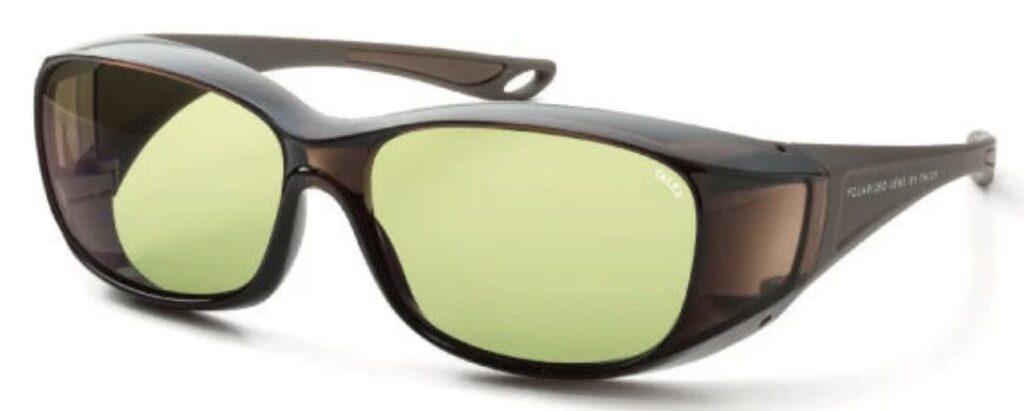
もう一つのポイントは、特にバスフィッシャーの間で流行っている、ゴーグルのような形のハイカーブのレンズ形状を持つサングラスを求める時。この形状は、レンズ仕様をカスタマイズする時の選択肢を減らし、ディストーション(歪み)、偏光酔いも出やすくなります。ハイカーブのデザインを求める時は、必ずレンズメーカーに対応可否を確認した方がよいでしょう。
近視・遠視・乱視に対応した度付きサングラスの注文方法
多くのフライフィッシャーにとって、私自身も含めて、現代の視力問題から逃れるのは難しいものです。スマートフォンやタブレットの画面を長時間見つめ、さらにフライタイイングでは細かい作業を行う。そんな生活を続けていれば、近視や遠視(老眼)、乱視のいずれかを抱えてしまうのはほとんど避けられません。
それでも私たちアングラーは、できるだけ賢く対処したいところです。
フライフィッシングにおける視力矯正の方法としては、大きく次の4つが考えられます。
A) コンタクトレンズで視力を矯正し、市販のサングラスを使用する。
B) レーシック手術で視力を矯正し、市販のサングラスを使用する。
C) 自分の視力矯正度数に合わせて、度付きサングラスを注文する。
D) 普段使っているメガネの上から掛けられるオーバーグラスを使用する。
私の場合、20年以上前にレーシック手術を受け、両目とも裸眼で1.0の視力を保っています。長年この (B) の方法を取ってきましたが、ここ数年は (C) の方法に切り替えています。
これまで私が学んできたフライフィッシャーに必要な眼鏡の知識のエッセンスを、以下、共有したいと思います。
- 普段使いのメガネとフライフィッシング用サングラスの決定的な違い
度付き偏光サングラスを注文する際に、多くの人が見落としがちな重要なポイントがあります。
同じ度数のレンズであっても、普段使いのメガネとフライフィッシング用サングラスでは最適なレンズ設定が必ずしも同じではない、ということです。
日常生活用のメガネは、読書や食事など、1〜2メートル程度の距離に焦点が合うように調整されています。
一方でフライフィッシャーに必要なのは、より遠方を明瞭に見る視力です。
たとえば、フラッツで20メートル先の水底の魚を探したり、スプリングクリークで12メートル先を流れる#18のドライフライを目で追ったりする場合、日常生活よりもずっと遠くに焦点を合わせる必要があります。
したがって、フライフィッシング用のサングラスには、普段使いのメガネよりもわずかに強めの視力に矯正できるものが有利になるというわけです。
- レンズを注文する前に、「視力」と「度数(ディオプター)」の違いを理解しておきましょう。
視力は「どれだけはっきり見えるか」を示す指標で、形や存在を認識する能力の数値化です。
**度数(ディオプター)**は、その明瞭な視力を得るために必要な光学的補正の強さを示す数値です。
この2つの間には直接的な換算式はありません。
眼科や眼鏡店で処方箋を作る際には、レンズ設計を定めるために次の3つの数値が記載されます。
*SPH(球面度数 / Spherical Power):近視や遠視の強さを示す。
*CYL(円柱度数 / Cylinder Power):乱視の補正度数。
*AXIS(軸 / Axis):乱視補正の方向を示す角度。
この3つの値があれば、眼鏡店は必要なレンズ形状を正確に特定できます。
- フライフィッシング用度付きサングラス処方箋の依頼の仕方
フライフィッシング用、つまり遠くがよりはっきり見える偏光サングラスの処方箋を出してもらう際には、次のように伝えると良いでしょう。
「フライフィッシング用の度付き偏光サングラスを作りたいのですが、普段の読書や近距離作業ではなく、20メートル以上先の対象をはっきり見たいのです。遠方が鮮明に見えるような度数で処方箋をお願いします。近くが多少ぼやけても構いません。」
このように伝えないと、手元(1〜2メートル)を中心にピントが合う処方箋が出されてしまいます。
- 遠くがよく見えるレンズは、近くが見えにくくなる、を解決する
遠くにピントを合わせたレンズを使うと、こんどは近距離が少しぼやけることになります。 その不便さを感じるのは、主に手元を見る時―例えば魚の口からフックを外す時、ティペットを結び直す時、あるいは昼食を取る時などです。
その対処法として考えられるのは次の3つです。
- 手元作業の際に普段使いのメガネに掛け替える。
- 遠近両用や累進多焦点の度付きサングラスを作る(ただし、私の経験では、視線がレンズ全体を頻繁に移動するフライフィッシングでは使いにくいことが多い)。
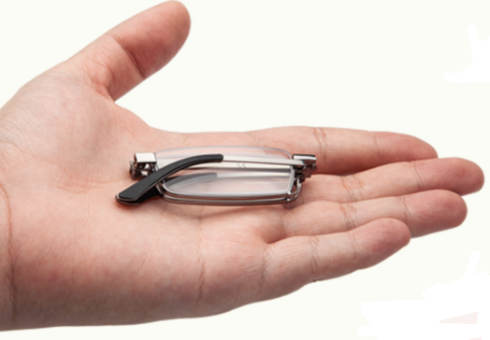
- 数千円程度の携帯用老眼鏡をポケットに入れておき、必要な時だけ使用する。老眼気味の私の場合、この③の方法が最も簡単で実用的です。
- サングラスの処方箋を作るために眼科に行く際は、「一石三鳥」を狙うのがおすすめです
第一に、最新の検査機器と熟練した技術者がそろった信頼できる眼科クリニックを選ぶこと。
眼科医の妻がよく言うのですが、レンズの度数調整というのはまるで「オーダーメイドのスーツを仕立てる」ようなものです。技師の腕とセンスが仕上がりを大きく左右します。一部の眼鏡店ではコスト削減のために、視力表による詳細な検査を省き、自動屈折計のみで処方を決めてしまうことがありますが、これでは精度が犠牲になります。
第二に、検眼と同時に目の健康診断を受けること。特に40歳を過ぎたら、または日常的に強い日差しの下で過ごす人は、網膜や水晶体の健康状態を定期的に確認することが重要です。白内障、黄斑変性、緑内障などの兆候を早期に発見できます。年1回の検診が理想です。目の疾患は、白内障以外は、基本的に現状維持がやっとで、基本的に失ったものは取り戻すことはできない、と言うことを覚えておいてください。
第三に、 ドライアイ対策の目薬を処方してもらうこと。 長時間の屋外活動や強い紫外線・風に晒されるフライフィッシャーは、角膜炎を起こしやすい傾向があります。日本では保険適用でドライアイ用点眼薬を入手でき、炎症の予防効果も期待できます。釣行前に点眼すれば、快適な視界を保てます。コンタクトレンズ使用者は、必ず専用の点眼薬を使いましょう。
- 注文とアフターケア
処方箋を受け取ったら、それを持って眼鏡店やサングラス販売店へ行くだけでOKです。
視力矯正に関しては、追加の説明は必要ありません。
高性能偏光レンズやマルチコーティング仕様のサングラスを度付きで購入すれば、水面上での視界が驚くほどクリアになるはずです。
多くの眼鏡店では、購入後1〜2週間以内であれば、違和感がある場合に半額程度の費用でレンズ交換に応じてくれる場合もあります。事前に確認しておくと安心です。
さて、メーカーはどこを選びましょうか?
偏光サングラスのブランドはたくさんありますが、その中で、度付きレンズを自社製造しているメーカーとなると、そこそこ限られてきます。幸い日本には、世界でも最先端の光学技術と加工精度を取り入れた主要メーカーがいくつかあります。以下、これらをいくつか挙げておきます。
海外ブランドだと、コスタ・デル・マール(Costa Del Mar)、スミス(Smith)、マウイ・ジム(Maui Jim)、バヒオ(Bajio)、オークリー(Oakley)といったブランドは、その高品質な偏光光学レンズにより、アングラー(釣り人)やアウトドア愛好家の間で広く知られており、処方箋対応の受注もしています。
因みに、多くの方はレンズとフレームは、同時に同じメーカーのものをオーダーすると思いますが、度付き偏光サングラスを売っている眼鏡屋さんの多くは、それぞれ単体の販売も行っています。但し、小型店だとフレームの揃えは少ない可能性はあります。
- 伊藤光学:「RARTS」というレンズブランドを打ち出しており、偏光レンズと共にメガネフレームも提供しています。RARTSの特徴として特に注目されるのが、屈折率や加工性に優れたMR素材を使用し、品質の高いコーティング技術が施されていながらハイコストパフォーマンスで提供している点。特に優れたコーティング技術を持っている。トップクラスの「耐久」性能を持ち、度付き偏光で1.74という超薄型レンズを扱っているのは現状伊藤光学だけで、「MRシリーズ」という高級レンズ素材、偏光フィルターには熱や水分に強い「染料系フィルム」、貼り合わせにはワンブロック成型。度付きレンズの偏光サングラスを作るなら非常にコスパが高いと言えます。
- COMBEX:最大の特徴は「明るい偏光レンズ」で特に「シューターグリーン」というカラーで、独特な色合いと性能で人気が高いです。コンベックスの主力商品である「PolaWING SPX」シリーズには、自社独自の染色技術が活用されており、偏光度99%、可視光線透過率38%という日本一の明るさを出しています。「Shimano」にOEM供給されています。
- TALEX: 同ブランドは、技術的なスペックの優位性よりもTALEXから直接技術研修や接客指導を受けている「認定プロショップ」でしか扱わない点で、これによりTALEX基準に基づく調整技術提供と信頼性を保証している点。またカラーラインナップの広さが抜けている。TALEXブランドで購入する時は、TALEXが提供するフレームを使用するのが前提。DAIWA, TIEMCOのサイトマスターシリーズなどのブランドにもOEM供給しています。
- Kodak: Kodakは、偏光レンズとしては日本市場でのみハイエンド品のイメージで流通させています。同社のPolaMAX Proシリーズ偏光レンズは、物体のコントラストを強調するネオコントラスト機能、有害な紫外線を効果的にカットUV420カット機能、の二つが差別化ポイント。UV420カットは、他社がカバーしない420nmまでの短波長光までをカットする機能を持っています。Kodakブランドのメガネフレームは提供していません。
自分独自のサングラスシステム確立のすすめ
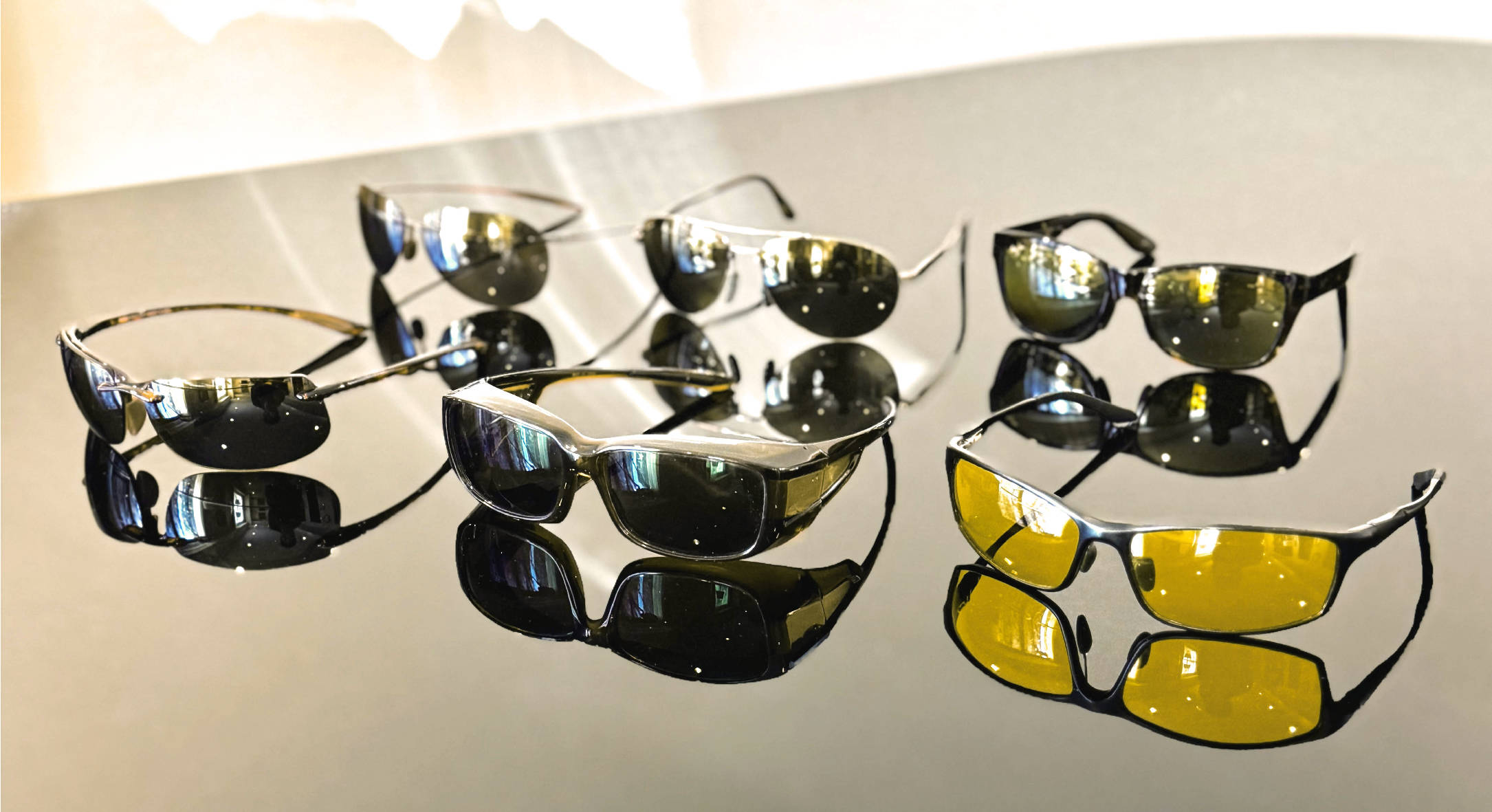
私の場合、フライフィッシングの中で特に好きな釣り種は、ボーンフィッシュを始めとするフラッツフィッシング、サーモンやイトウのスイングフィッシング、スプリングクリークでのドライフライフィッシングの3つ。この時に私の場合は、4種類のサングラスで釣り場毎のベストマッチシステムを組んでいます。
度付きサングラスを必要とする人は、高額なサングラスをフライフィッシングに何個も用意するのは、現実的でないと感じる人が多いと思います。その場合は、99%の偏光率で、可視光線透過率25-30%前後の一本で1日を通し、極めて暗い状況でも釣りを続けるのであれば通常使いの無色のメガネを使うのが現実的と言えないでしょうか。
参考までに、私の場合は、以下 (a)〜(d)の4種類のサングラスでシステムを組んでいます。
・フラッツフィッシング:
a:メイン:伊東光学のRarts、アンバーブラウン、偏光度99%、可視光線透過率 28%、マルチコート
b:ボーンフィッシュ用: Combex社、ハンターグリーン、偏光度99%、可視光線透過率 26%、マルチコート
c:外洋の強烈光:伊東光学、ハバナ、偏光度99%、可視光線透過率 11%、マルチコート、
あるいは、Oakley社:ブルーミラー、偏光度99%、可視光線透過率15%
・スイングフィッシング、スプリングクリークでのドライフライフィッシング
a:メイン:伊東光学のRarts、アンバーブラウン偏光度99%、可視光線透過率 28%、マルチコート
d:曇天&イブニング:Smith社のPolar X、のライトブラウン、偏光率94%、可視光線透過率 42%、マルチコート、あるいは、オフブランドのライトイエロー、偏光度75%、視光線透過率 50%
最後に、サングラスを長く使うために:
私のようなサングラスのヘビーユーザーがいつも思うのは、フライフィッシングでサングラスは絶対必須のアイテムだけど、残念ながら高品質、ハイデザインの物は値段が高い割には、耐久性は低いアイテムだと言うことです。
基本的にレンズはプラスチック、マルチコーティングのフィルター被膜が何層か被されているわけですが、こいつが傷つき易い。サングラスにとって一番の大敵は、水、特に海水、と微小な砂埃です。これが偏光フィルターの被膜にダメージを与えます。
長持ちさせる秘訣は、中性洗剤、私は可能なら泡状のハンドソープを使います。拭き取りは、ソフトティッシュを充てて水分を吸収させ、その後、メガネ専用のマイクロファイバークロスで軽く拭き取る。
そして必ず乾燥させ、メガネケースに保管すること。
着用時は、必ずサングラスストラップを装着して、ポケットとかに入れるのは避け、間違ってもどこかにレンズ面が接地させるような形で置かないこと。
フライフィッシャーはロッドやライン、リーダーの細部までこだわりますが、魚と自然と自分を直接つなぐ最も大切な「要素」は視力です。
そして、最後にもう一回、眼科で一年に一回の目の定期検診は、絶対にお勧めです。
水面のさざ波や、一瞬の閃き、魚の尾の動きを明確に捉える―その感覚に浸りながら自然の中に没入できること。
これこそが、フライフィッシングの醍醐味ではないでしょうか。
無断転載・複製を禁ず
The Essence of Polarized Sunglasses for Fly Fishers
It was about two years ago when I began to feel something was off while sight-fishing for bonefish on the flats. Even though I was wearing polarized sunglasses, I missed several fish within 50 feet and couldn’t even tell which direction a tailing bonefish,100 feet ahead, was facing. Looking back, I now believe I was suffering from a mild case of photokeratitis, essentially “snow blindness.”
Days of exposure to the flat’s intense ultraviolet light had caused inflammation in my cornea.
The sunglasses I wore had a degree of polarization of 99%, but their visible light transmission (VLT) was too high, allowing in too much sunlight.
Anyone who has fished the flats for bonefish, permit, or black sea bream knows that one of the most thrilling moments in flats fishing is when you’re stalking a tailing fish.
When a target fish is tailing, casting directly at the tail will almost always spook it—the sound of the fly hitting the water is enough to send it darting away. Instead, experienced anglers carefully watch the bottom around the tail, determine its next direction of movement, and then make a quick, accurate cast ahead of its path.
At this moment, a high-performance polarized pair of sunglasses that allows you to see clearly beneath the surface becomes your most trusted ally.
The same principle holds for Spey fishing with the swing method. Experienced anglers can effortlessly locate fish in about 5 feet of the water column before casting, provided the water is clear and the fish are not hidden by foam. It is common knowledge among experts that knowing the fish’s exact position significantly impacts your catch rate when swinging flies. The same can be said for nymph and wet fly fishing in streams.
I understand why some say, “I prefer to enjoy nature’s true colors without sunglasses.”
But for a fly fisher, that comes with risks. Sunglasses protect your eyes from stray hooks flying in the wind, from branches, and from insects. They also reduce eye strain and delay long-term UV-related conditions like keratitis, cataracts, and macular degeneration. While cataracts are a natural part of aging, protecting your eyes early can slow the process.
Unfortunately, sunglass brands, much like fashion companies, tend to focus on image-oriented catch copies rather than meaningful data. Very few provide detailed specifications or objective benchmarks, so their promotional information is of limited value to serious anglers.
For fly fishers, however, sunglasses aren’t accessories; they are essential gear, as important as your rod, reel, and fly line.
Luckily, my wife is an eye doctor and a wonderful supporter of my fly fishing life. In this piece, I’d like to combine the knowledge of eyewear she has shared with me with my own neutral perspective to delve into the true essence of sunglasses—an area that is often overlooked.
First, let’s dive into what drives lens performance
1. Polarized (Polarized) Lenses
To start, I think it’s a good idea to have a proper understanding of how polarized lenses work.
The principle of a polarizing filter is often compared to a window blind; however, it does not actually block light through physical gaps. Natural light, such as sunlight, consists of electric fields vibrating randomly in all directions perpendicular to the direction of travel. But when this light reflects off a horizontal surface like the water’s edge, the electric field components vibrating in a specific direction become intensified. This state is known as “horizontal polarization.”
Polarized sunglasses are designed to selectively absorb these horizontally polarized electric field components produced by reflections from surfaces like water, converting them into heat energy and effectively eliminating them. As a result, glare from reflected light is reduced, allowing underwater details to appear clearer and more distinct. The intensity of horizontally polarized light varies greatly depending on the position of the sun, but when the sun is high in the sky and positioned behind the observer (with the light coming from behind), horizontally polarized reflections are maximized, and the polarizing effect reaches its highest level.
- Practical Tips for Anglers:
In a fishing scenario, the visibility of fish through polarized sunglasses varies significantly between a distance of 7 feet and 50 feet. Since the water surface reflects light like a mirror, the reflection angle is large at close range, whereas both the angle of incidence and reflection become shallower as you look further away. These angles also shift depending on the sun’s position; the effectiveness of polarized lenses diminishes during front-lit conditions (with the sun behind you) or when the sun is low in the sky, such as at dawn or dusk.
Theoretically, polarized lenses are most effective at cutting reflected light when sunlight hits the water at an angle of approximately 53° (known as Brewster’s angle). If a caster’s eye level is about 5 feet high, this optimal angle occurs at a point on the water surface only 4 feet away. Based on this figure alone, it is not a practical distance for fly fishers. However, since polarized lenses constantly reduce the horizontal polarization component of surface glare, they can always be expected to suppress reflections, though the intensity of this effect varies by distance and angle. In other words, quite simply, the higher your viewpoint, the easier it becomes to see fish beneath the surface.
Lenses with degree of polarization do not exist, and there is no direct correlation stating that a higher polarization rate equals higher performance or a higher price. Therefore, a fly fisher’s first pair of sunglasses should arguably be a straightforward choice: a pair with a 99% degree of polarization.
Cost is instead driven by factors such as lens material, types of coatings, dyeing methods, manufacturing processes, and optical precision (minimizing distortion). It is most practical to choose based on the balance between your budget and intended use.
When bonefishing on the flats, you are typically trying to spot fish cruising along the bottom about 70 feet away. The fundamental rule for a fly fisher in this situation is: do not fix your gaze on the surface of the water.
The key to finding fish is to consciously direct your focus to the bottom (the depth where the fish are swimming). A “fatal” failure—where a guide can see the fish but you cannot—is often caused by directing your line of sight to the water’s surface rather than beneath it. This principle applies to river fishing as well.
Incidentally, minor adjustments—such as tilting your face so the lenses point toward the sky while looking down into the water, or stacking two pairs of polarized lenses—are meaningless in terms of amplifying the polarization effect.
2. Visible Light Transmission (VLT)
Visible Light Transmission (VLT) is defined as ‘amount of transmitted light ÷ amount of incident visible light.’ This indicates how much total light passes through the lens. Visible light is the portion of the spectrum detectable by the human eye, typically ranging from 380 nm (violet) to 780 nm (red).
- 10–15% VLT: Dark-colored lenses. Comfortable even under intense reflected glare. Suitable for sea fishing or skiing, and for strong sunlight. Too dark for nighttime use.
- 20–35% VLT: Medium darkness. Fits most outdoor sports. Around 40% transmission can feel too bright under strong sun on the flats. Around 28–35% is optimal for cloudy weather or dim mountain streams.
- Lenses with 50–80% VLT: Light-colored lenses. While they cannot be expected to reduce glare much, they ensure visibility in dark conditions. When VLT exceeds 40%, 99% polarization no longer holds; below 90% polarization, the very meaning of polarized lenses begins to fade.
3. Lens Color
Lens color affects which wavelengths of light pass through, and how much the natural color is altered. Since colored lenses inevitably change the way you perceive natural colors, the choice often depends on personal preference. I personally prefer amber and green tones, while some of my friends like gray. Darker tints increase contrast under bright sunlight, but when used in cloudy conditions, they can have the opposite effect.
There are two major tinting methods: dye-based and iodine-based. Dye-based filters are said to last about twice as long as iodine-based ones. The biggest weakness of iodine-based filters is that they deteriorate under UV light and are vulnerable to water, which makes dye-based filters overwhelmingly superior for fly fishing use.
If you are to use one pair of sunglasses throughout the day, the best choice is:
99% polarization, about 30% visible light transmission, and a lens color of amber, green, or gray.
- Gray: Natural color perception with minimal change. Low contrast enhancement.
- Brown / Amber: Enhances contrast so fish and underwater structures stand out.
- Dark Amber (deep brown): Strongly cuts blue light for sharper contrast. Slightly darker overall but provides a crisp, high-contrast view — ideal for strong light.
- Green: Balances brightness and contrast while reducing eye fatigue. The darker the tint, the better it suppresses glare and enhances contrast. Because bonefish have olive-colored backs, wearing green-tinted lenses can make them stand out more distinctly.
- Light Yellow / Light Smoke / Light Brown: During evening rises — the prime time for fly fishers — or in dark, cloudy forests, glasses should always be worn for eye protection.
So what should you wear in dark conditions?
A clear (colorless, 100% degree of polarization) polarized lens does not exist either physically or theoretically, and under such low-light conditions, polarization itself becomes meaningless.
Those who are nearsighted or farsighted can simply wear their regular glasses after dark.
For those like me who still prefer to keep sunglasses on even in dim light, very light tints such as light yellow, light smoke, or light brown with about 70% VLT are recommended.
Although polarization performance is sacrificed, in such darkness, polarization itself becomes irrelevant. Light-yellow lenses aren’t ideal for bright, sunny conditions, but in low-light situations they help maintain a sense of brightness, making it easier to keep fishing comfortably. For me, they’ve become my go-to choice for evening sessions, and I find myself using them almost every time I fish at dusk. - Mirror coating lenses —blue, green, silver, or orange — are common with mirror coating lenses. In addition to reducing glare through polarization, mirror coatings reflect certain wavelengths of light, further suppressing brightness. They are useful for strong light conditions at sea. However, they may sometimes alter color perception or cause internal reflections on the back surface. That said, their fashionable appearance is undeniable.
Left: Enjoying the evening hatch comfortably with yellow lenses —Hokkaido Japan.
Right: Comfortable sight fishing with mirror lenses — New Zealand.
4. Lens Material and Manufacturing Precision
Lens materials are either plastic or glass, with plastic being more common. Plastic materials include the MR series and CR-39.
The MR series was developed by Mitsui Chemicals in Japan in 1987; it offers excellent durability and workability and allows for thinner lenses. However, it is somewhat more expensive and slightly inferior in chromatic aberration. CR-39 was developed in the United States during World War II. It is inexpensive and exhibits less chromatic aberration but has lower durability, poorer workability, and tends to produce thicker lenses.
If the molding precision is poor, the polarizing film may become misaligned or uneven, leading to optical distortion that degrades performance. Together with multi-layer coatings, this is one of the points where cost differences most clearly appear. There are two main manufacturing methods:
- One-block molding, where the polarizing film and lens are integrated into a single unit to maintain strong bonding strength.
- Lamination molding, where the polarizing film is glued between lens materials.
The lamination method offers cost advantages but comes with weaknesses such as degradation or peeling of the adhesive surface and vulnerability to scratches.
5. Multi-layer Coating
When you get prescription glasses for nearsightedness or presbyopia, opticians usually offer various coating filters as paid options—and the same applies to sunglasses.
Each coating enhances the lens’s functionality, so adding them is always a performance upgrade. However, it inevitably increases the overall cost.
The most common coating options typically include the following:
- 100% UV cut
- Anti-reflective coating to reduce internal reflections on the back surface
- UVB and UVA protection (wavelength 280–420 nm)
- Hard coating to prevent scratches
- Water-repellent coating to make water and moisture slide off easily
6. Eyeglass Frame
Whether a sunglass frame looks good or not depends on the shape of each person’s face.
However, for a fly fisher, a frame that suits you and functions properly should be regarded as an extremely important factor — not a secondary consideration after style.
Even if some prioritize stylish design over lens performance, that’s not something I would deny, but there are several points to consider.
First, on bright flats or open ocean waters, you’ll want side shields that block or reduce sunlight entering from the sides. On the flats, you must constantly scan all directions underwater to locate your target fish. Unless you are an extremely experienced flats angler, in most cases it will be the guide who spots the fish first. The key to success lies in how quickly you can recognize the fish that your guide has already found. At that moment, light entering directly from the side, bypassing the lenses, becomes a major distraction and prevents you from focusing on the game.
The second point concerns high-curved lens designs, which are popular among bass fishers and resemble goggles. These shapes reduce your options when customizing lens specifications, and they tend to cause distortion and even polarization-induced dizziness. When choosing a high-curve design, you should always confirm with the eye glasses store whether such customization is supported.
How to Order Prescription Sunglass Lenses for Nearsightedness, Farsightedness, or Astigmatism
For many fly fishers—including myself—it’s hard to escape the realities of modern eyesight problems. We spend long hours staring at smartphones and tablets, and then move to the fly-tying bench for more close-up work. Nearsightedness, farsightedness (or presbyopia), and astigmatism are almost inevitable companions. Still, as anglers, we like to deal with these things smartly and efficiently.
When it comes to eyewear, there are four main ways to address vision correction for fly fishing:
A) Wear contact lenses to correct vision and use standard sunglasses.
B) Undergo LASIK corrective surgery and use standard sunglasses.
C) Order prescription sunglasses with lenses made to your specific corrective power.
D) Wear “over-glasses” designed to fit over your regular eyewear.
In my own case, I had LASIK surgery more than twenty years ago and have maintained 20/20 vision in both eyes ever since. For a long time, I followed option (B), but in recent years I’ve switched to (C). Below, I would like to share the essence of what I have learned about the eyewear knowledge every fly fisher needs.
The definitive difference between everyday eyewear and fly fishing sunglasses.
When ordering prescription polarized sunglasses, remember this crucial point:
The optimal prescription settings for your everyday clear glasses and your fly fishing sunglasses are not necessarily the same, even if the correction strength (diopter) is identical.
Everyday glasses are designed mainly for close to mid-range vision, reading, eating, etc., so a focus distance of 3 to 6 feet feels natural and comfortable.
However, fly fishers must see clearly at a distance.
Whether you are tracking bonefish underwater at 70 feet on the flats or watching a size 18 dry fly drifting 40 feet ahead on a spring creek, your required focal distance is far greater. Thus, for fly fishing, a slightly stronger prescription than your everyday glasses can be advantageous.
Before ordering your sunglass lenses, let’s clarify the distinction between ‘visual acuity’ and ‘refractive power’ (diopters).
Visual acuity quantifies how clearly you can perceive objects — your ability to recognize shapes and details. Diopter (D) measures the refractive power needed in a lens to achieve your desired visual acuity. You cannot mathematically derive one from the other.
When obtaining a prescription from an eye clinic, you’ll receive three key parameters defining your lens specifications (the three-dimensional refractive design):
SPH (Spherical): Indicates the strength of correction for nearsightedness or farsightedness.
CYL (Cylinder): Indicates the amount of astigmatism correction.
AXIS: Indicates the orientation of the astigmatism correction.
With these three values, your optician can order lenses that precisely match your optical needs.
How to Order a Prescription for Fly Fishing Sun Glasses
When you ask an ophthalmologist for a prescription for fly fishing polarized sunglasses (i.e., glasses optimized for clear distance vision), specify something like the following:
“I’m planning to make prescription polarized sunglasses for fishing. I don’t need near-focus lenses for everyday use; I need lenses that bring distant objects — around 70 feet away — into sharp focus. Please provide a prescription optimized for clear distance vision. I understand that this may make close-up vision slightly blurry.”
Without clarifying this, you’ll often be prescribed lenses optimized for near to mid-range (3-6 feet).
Dealing with the Blurriness of Near Vision
When you make lenses for clear distance vision, near objects may appear blurry. This becomes inconvenient when you need to see up close — for instance: Removing a hook from a fish’s mouth, Retieing a tippet, or Eating lunch.
Possible solutions:
*Switch to your everyday glasses. *Order progressive (multi-focal) polarized sunglasses — though these often fail to perform well in fly fishing, where your gaze moves across the entire lens field.
*My own method: keep a small, inexpensive pair of foldable reading glasses in your pocket and use them only when needed.
Three Birds with One Stone— Making the Most of Your Eye Exam for Sunglasses
When you visit an eye clinic to get a prescription for sunglasses, aim for a three-in-one benefit.
Here’s how to make that visit truly count.
First, choose a reliable clinic equipped with modern diagnostic tools and skilled technicians.
As my wife, an ophthalmologist, often says, “Adjusting a lens prescription is like tailoring a bespoke suit — the result depends entirely on the craftsman’s skill and sense.”
Some optical shops skip a full eye chart test and rely solely on automated refractors to cut costs, but that means sacrificing accuracy — not something you want when it comes to your vision.
Second, combine your refraction test with a comprehensive eye health check.
If you’re over forty or spend long hours under intense sunlight, it’s essential to monitor the health of your retina and lens regularly. A yearly exam is ideal and can help detect early signs of cataracts, macular degeneration, or glaucoma.
Keep in mind: apart from cataracts, most eye conditions can only be maintained — not cured. Once your vision is lost, it’s hard to get it back.
Third, ask for eye drops to prevent dry eyes. Fly fishers who spend hours outdoors in bright UV light and wind are especially prone to corneal inflammation. In Japan, prescription dry-eye drops are covered by insurance and can help protect against inflammation while keeping your eyes comfortable. Use them before a day on the water to maintain clear, relaxed vision.
And if you wear contact lenses, make sure to get drops specifically designed for them.
Ordering and Aftercare
Once you’ve obtained your prescription, simply bring it to the optician where you plan to buy your sunglasses — no further explanation about vision correction is necessary.
By the time you’ve decided to purchase high-performance polarized lenses with multi-coating and prescription correction, your view should already be remarkably clearer.
Many optical shops will even allow lens replacements at a reduced cost—often around half price—within one or two weeks if you find the lenses don’t feel quite right. It’s worth confirming this policy before purchasing.
Which Polarized Lens Manufacturer Should You Choose?
There are countless polarized sunglass brands out there, but when it comes to manufacturers that produce their own prescription lenses, the list narrows considerably.
Fortunately, Japan is home to several top-tier optical companies renowned for their cutting-edge technology and world-class lens precision — leaders in both craftsmanship and innovation.
Here are a few of the key players worth knowing.
On the international scene, brands like Costa Del Mar, Smith, Maui Jim, Bajio, and Oakley are well-known among anglers and outdoor enthusiasts for their high-quality polarized optics, and they also accept orders for prescription lenses.
A quick note: most people assume the frames and lenses must come from the same brand, but in fact, many optical shops that offer prescription polarized sunglasses sell each component separately.
That said, smaller retailers may have a limited frame selection, so it’s worth checking in advance if you have a specific style or fit in mind.
Below are the key players:
Itoh Optical: Their lens brand “RARTS” offers both polarized lenses and frames.
RARTS uses high-index MR material, known for its superior refractive and processing qualities, and combines this with premium coating technology — all at high cost performance.
They are notable for their top-class durability and are currently the only manufacturer offering 1.74 ultra-thin prescription polarized lenses using the MR-series material. Their polarized filters employ dye-based films resistant to heat and moisture, and their lenses use one-block molding for strength. If you want high-value prescription polarized sunglasses, Itoh Optical is one of the best choices.
COMBEX: COMBEX’s greatest strength lies in its “bright polarized lenses,” particularly the popular “Shooter Green” color, praised for its unique tone and performance. Their flagship series “PolaWING SPX” uses proprietary dyeing technology to achieve 99% degree of polarization and 38% VLT, maintaining brightness while preserving polarization — arguably Japan’s brightest polarized lens. COMBEX also provides OEM lenses for Shimano.
TALEX: TALEX’s advantage lies less in technical superiority and more in their strict authorized pro-shop system — only certified stores that receive technical training and service guidance directly from TALEX can sell their products (except for a few OEM cases). This ensures TALEX-level fitting precision and reliability. They also offer an exceptionally wide range of lens colors.
When purchasing TALEX lenses, using TALEX-provided frames is the basic requirement.
TALEX supplies lenses on an OEM basis to major brands such as DAIWA and TIEMCO’s Sight Master Series.
Kodak: Although Kodak is originally an American brand, its polarized lenses are positioned as high-end products only in the Japanese market. Kodak does not provide its own frames.
The PolaMAX Pro series features two distinct technologies: Neo Contrast Function – enhances object contrast; UV420 Cut Function – effectively blocks harmful ultraviolet rays up to 420 nm, which most other brands do not cover.
Building Your Own Sunglass System
For me, the three most captivating styles of fly fishing are flats fishing for bonefish and permit, swinging for salmon and Ito (Japanese Taimen), and dry fly fishing in spring creeks. The key to my approach is a “Best Match System,” using four different pairs of sunglasses tailored to each specific environment.
For those who require prescription lenses, investing in multiple high-end pairs might seem impractical due to the cost. In such cases, the most realistic solution is to have one primary pair with a 99% polarization rate and a visible light transmission (VLT) of around 25-30% for all-day use. For extremely low-light conditions, switching to your regular clear prescription glasses is a sensible alternative.
As a reference, I have built my own system using the following four types of sunglasses (a to d):
Flats Fishing
(a) Main: Rarts by Itoh Optical – Amber Brown, 99% degree of polarization(DOP), 28% VLT, multi-coated
(b) Bonefish Setup: Combex – Hunter Green, 99% DOP, 26% VLT, multi-coated
(c) Extreme Offshore Light: Itoh Optical – Havana, 99% DOP, 11% VLT, multi-coated
or Oakley – Blue Mirror, 99% DOP, 15% VLT
Swing Fishing / Spring Creek Dry Fly Fishing
(a) Main: Rarts by Itoh Optical – Amber Brown, 99% DOP, 28% VLT, multi-coated
(d) Cloudy & Evening Conditions: Smith Polar X – Light Brown, 94% DOP, 42% VLT, multi-coated or an off-brand Light Yellow, 75% DOP, 50% VLT
As fly fishers, we obsess over rods, lines, and leaders—but clear, accurate vision is the one piece of equipment that connects us directly to the fish. Understanding how to order the right prescription lenses for our polarized sunglasses isn’t just about comfort; it’s about precision, awareness, and the joy of seeing every ripple, flash, and fin as clearly as possible.
To Make Your Sunglasses Last Longer
As a heavy user of sunglasses like myself, I’ve always thought that while sunglasses are absolutely essential for fly fishing, unfortunately, high-quality and stylish ones tend to lack durability despite their high price.
Basically, the lenses are made of plastic, layered with several coatings of multi-coated filter films, which are quite prone to scratches. The biggest enemies of sunglasses are water—especially seawater—and fine dust or sand. These can damage the polarized filter coating.
The secret to making them last is using a neutral detergent—I personally use foaming hand soap whenever possible. When wiping them gently press the tissue to absorb moisture, and then lightly wipe with a microfiber cloth designed for glasses.
Always dry them thoroughly and store them in a glasses case.
When wearing them, always attach a sunglass strap, avoid putting them in your pocket, and never place them down with the lens side facing any surface.
Fly fishers tend to be particular about their rods, lines, and leaders, but the most important element that directly connects you to the fish and nature is your eyesight.
Last but not least, I strongly recommend a yearly eye exam.
Being able to clearly perceive the ripples on the water’s surface, a sudden flash, or the subtle movement of a fish’s tail—and to lose yourself in that moment surrounded by nature—that’s the real joy of fly fishing, isn’t it?
All rights reserved.